


26th April 2021
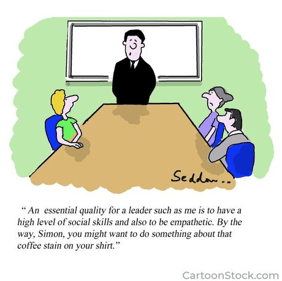
Don’t draw attention to a mistake…
That’s another thing I like to say to people regularly. It’s so normal for people to want to tell someone something that they have done wrong when they do not actually need to. Or they may feel it necessary to highlight when they have not got something quite right, or at least to their liking, but which the other person would not have noticed otherwise.
Heaven forbid, if you interpret this as me suggesting that you should not tell the truth. That couldn’t be farther from the truth itself of what I am saying (and be careful, as this probably says more about you then me)! But a lot of information does not need to be shared a lot of the time. In fact, it can actually be distracting and irrelevant most of the time. This principle applies to so many things, from what happens in the playground to what happens in the boardroom!
Let me give you a very basic (and you may feel a bit of a trivial) example. You are speaking with someone face-to-face (either in person or over videoconference) one afternoon, after having lunch where you spilt a little something on your top. Don’t then start the conversation by apologising for the stain, as the other person will then notice it, even though they may not have noticed it before; and they will keep noticing it when you are speaking with them. It is as though they will be unconsciously and magnetically drawn to it, even though they may not have noticed it before, if you had not brought it to their attention, and will just then serve as a distraction to what you are saying.
Of course, if you do notice a small stain on somebody’s top, they also would become distracted by it if you bring their attention to it, as they may have not noticed it before, but will then become distracted by it if you point it out to them. And the paradox to this is that, if somebody is compromised by having something on their face, for example (let’s stay with the lunch theme analogy and say it is a bit of sauce or topping), then you should probably quietly point it out to them (not in earshot of others, so as not to embarrass them), otherwise they will feel mortified later to discover it for themselves looking in the mirror and realise that lots of people may have seen it and, like you, did not tell them about it.
A hard one, isn’t it?
I guess that it will always depend on the specific circumstances and your relationship to the other person, as if you do point it out with the best of intentions, they may then think that you are belittling them. So, my best advice is to just always try and put yourself in their shoes and ask yourself, if it was you in their place, what would you want another person to do?
Not a perfect answer, I know, but something to think about!
 🤔 Think Again