


9/5/2023
This week I want to talk about your ‘Circadian Rhythm’, the natural body clock that helps regulate our activities and sleep/wake cycles in our life. This is a fascinating topic again, as you may not realise just how powerful this force is upon us everyday.
The circadian rhythm is our internal body clock and is one of the body’s most important processes. It is responsible for controlling our daily production of hormones, our body temperature and the other physiological changes that we have within a 24-hour cycle.
Circadian rhythms are regulated by a region of the brain known as the ‘hypothalamus’. Our internal clock is linked to certain hormones, such as cortisol and melatonin, which determine when our bodies are alert and when they are ready for sleep.
Our natural rhythm is also affected by light, with increased exposure prompting production of melatonin, which then prompts bodies to become active and alert. Sunlight has a particularly strong influence, resetting our body’s clock each morning, as the sun rises. Exercising and eating also affects circadian rhythms and energy levels.
If circadian rhythms are disrupted, we experience difficulty sleeping, mood disorders, energy level fluctuations and difficulty concentrating. People’s circadian rhythms also vary. While some people wake up and go to bed earlier, referred to as ‘morning people’, others stay up late and wake up later, referred to as ‘night people’.
Disruption to rhythms are caused by shifts in time zones, working night shifts, or using electronic devices before sleep. If having difficulty sleeping or concentrating, we must evaluate sleeping habits, light exposure, etc., to see if rhythms are out of sync and may need lifestyle changes or consistent sleep patterns.
For example, we should sleep and wake at the same time everyday, limit caffeine and alcohol intake and avoid exposure to ‘blue light’ before bed. Additionally, healthy lifestyles and daily routines ensure bodies and minds are well-rested and alert. Also, you should spend time outdoors regularly to get natural light.
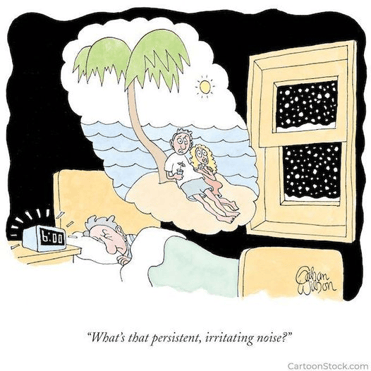
Our bodies are also programmed to naturally wake up and sleep at certain times of day, regardless of whether we set alarms or expect a lie-in. You can’t help your circadian rhythm waking you up at the normal time that your body expects it to and this can be frustrating.
Finally, although it can sometimes be disheartening, remember that circadian rhythms are there for a reason – to keep us healthy, alert and productive throughout the day. Being aware of natural rhythms and trying to stick to consistent schedules are the best way to get the most out of our days.
So, this week, realise that circadian rhythms are natural patterns of activity, sleep and alertness that are intrinsic to every human body and you may find yourself feeling sleepy when you want to be awake, or waking up earlier, when you want to be asleep!
 🤔 Think Again