


20/3/2023
But just in case you have limited time now, here’s my thought for this week:
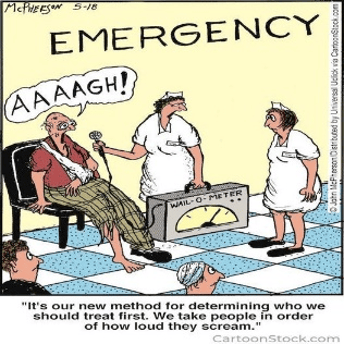
“This week I want to talk about emergencies and how another person’s emergency should not become your emergency and vice-versa. Or, as I like to say to other people once in a while: “Your emergency won’t become my emergency!”
As humans, we are wired to help others. It’s in our nature to help those in need. But what one person considers an emergency, may not be an emergency to another person. Also, just because you are experiencing a crisis, doesn’t mean that others must drop everything to help you.
Emergencies are a part of life and can happen at any time, in any place and to anyone. Emergencies are also sudden, unexpected and usually require immediate attention. But it is essential to keep things in perspective and understand the differences between real emergencies and false senses of emergency.
A genuine emergency is an event that requires immediate attention and intervention. These emergencies are often life-threatening. In such situations, time is of the essence, and every second counts. People need to react quickly and take appropriate measures to save lives often.
But a false sense of emergency is something that does not require immediate attention. It seems urgent, but in reality it is not critical or time-sensitive; it is not life or death. It just causes unnecessary stress and anxiety and affects your mental health. It also leads to poor decision-making.
Whilst it’s understandable to want to help others, you need to recognise that there is also always a balance to strike. Remember that emergencies always feel subjective, so stay calm and first assess a situation carefully before prioritising and only then making informed decisions, before jumping in.
And whilst it’s also admirable to want to help others, it’s also important to recognise your own priorities. You may sometimes focus so much on other people’s emergencies that you sometimes cannot see your own. Doing something should never be at the expense of your own physical or emotional stability.
It’s also essential to understand that helping someone with a perceived emergency may actually hinder them in the long run, as it may only increase their anxiety about a situation that feels like an emergency to them subjectively, but actually isn’t one objectively.
Finally, please don’t think that I am discouraging you from helping when help is truly needed. Also, although it’s crucial to prioritise yourself, don’t just abandon others who feel in need. A level of empathy and compassion should always be extended to those going through tough times. Don’t be confused.
So, this week, remember that everyone’s emergency is different and just because one person needs help, it doesn’t mean that everyone else has to stop what they are doing to help them. And remember the phrase: “Your emergency won’t become my emergency!
 🤔 Think Again